Running a restaurant is about much more than serving great food. Behind every successful restaurant is a strong financial system that keeps operations profitable and sustainable. One of the most important parts of that system is accurate bookkeeping. Without proper financial tracking, restaurant owners can quickly lose control over food costs, labor expenses, and overall profitability.
This is why professional restaurant bookkeeping services have become essential for restaurants of all sizes. From small cafés to multi-location dining chains, bookkeeping helps owners understand where money is going, identify waste, and make smarter business decisions.
Understanding Restaurant Bookkeeping
Restaurant bookkeeping involves recording, organizing, and monitoring all financial transactions related to restaurant operations. This includes:
- Daily sales tracking
- Payroll management
- Vendor payments
- Inventory costs
- Tax preparation
- Profit and loss reporting
- Expense categorization
Unlike bookkeeping in many other industries, restaurant accounting requires close monitoring of fluctuating inventory, labor scheduling, and narrow profit margins. Even small financial mistakes can significantly impact profits.

Why Food Cost Monitoring Matters
Food cost is one of the largest expenses in the restaurant industry. If not carefully monitored, rising ingredient prices, waste, theft, or poor portion control can reduce profitability quickly.
Professional restaurant bookkeeping services help restaurant owners track food costs accurately by:
1. Tracking Inventory Usage
Bookkeeping systems monitor inventory purchases and compare them with sales data. This helps identify:
- Overstocking
- Spoilage
- Ingredient waste
- Theft or shrinkage
When restaurant owners know exactly how much inventory is being used, they can make better purchasing decisions.
2. Measuring Food Cost Percentage
Food cost percentage is a key performance metric for restaurants. It measures how much revenue is spent on ingredients.
The formula is:
Food Cost Percentage = (Cost of Food Sold ÷ Food Sales) × 100
Accurate bookkeeping ensures these numbers are calculated correctly, allowing owners to maintain healthy margins.
3. Identifying Menu Profitability
Not every menu item generates strong profits. Detailed bookkeeping reports help restaurants determine which dishes are profitable and which ones are hurting margins.
This allows owners to:
- Adjust menu pricing
- Remove low-performing items
- Promote high-margin dishes
- Optimize supplier relationships

The Importance of Labor Cost Monitoring
Labor is another major expense in restaurant operations. Employee wages, overtime, benefits, and payroll taxes can quickly become overwhelming without proper tracking.
Reliable restaurant bookkeeping services help control labor expenses through detailed payroll monitoring and financial reporting.
1. Preventing Overspending on Staffing
Bookkeeping helps compare labor costs against daily or weekly revenue. Restaurant managers can identify when staffing levels are too high for business demand.
This supports smarter scheduling decisions and prevents unnecessary payroll expenses.
2. Tracking Overtime and Payroll Errors
Payroll mistakes can lead to financial losses and employee dissatisfaction. Accurate bookkeeping systems help detect:
- Overtime overuse
- Payroll discrepancies
- Missed clock-ins
- Incorrect wage calculations
These insights help reduce payroll inefficiencies.
3. Improving Profit Margins
Restaurants typically operate on tight profit margins. Monitoring labor costs alongside food expenses gives owners a complete view of operational performance.
With proper bookkeeping, restaurants can balance staffing levels while maintaining customer service quality.

Better Financial Decision-Making
One of the biggest benefits of professional restaurant bookkeeping services is access to real-time financial data.
Restaurant owners can use financial reports to:
- Forecast cash flow
- Plan future expansion
- Manage seasonal slowdowns
- Prepare for tax season
- Secure business loans or investments
Without organized bookkeeping, decision-making often becomes guesswork.

Helps Maintain Compliance
Restaurants must comply with tax regulations, payroll laws, and financial reporting requirements. Poor bookkeeping can lead to:
- Tax penalties
- Filing errors
- Compliance issues
- Audit risks
Professional bookkeeping ensures financial records remain accurate, organized, and audit-ready throughout the year.

Reduces Stress for Restaurant Owners
Many restaurant owners spend long hours managing staff, suppliers, customers, and operations. Handling financial records manually can become overwhelming.
Outsourcing restaurant bookkeeping services allows owners to focus on growing their business while professionals manage financial tracking and reporting.
Technology Makes Restaurant Bookkeeping More Efficient
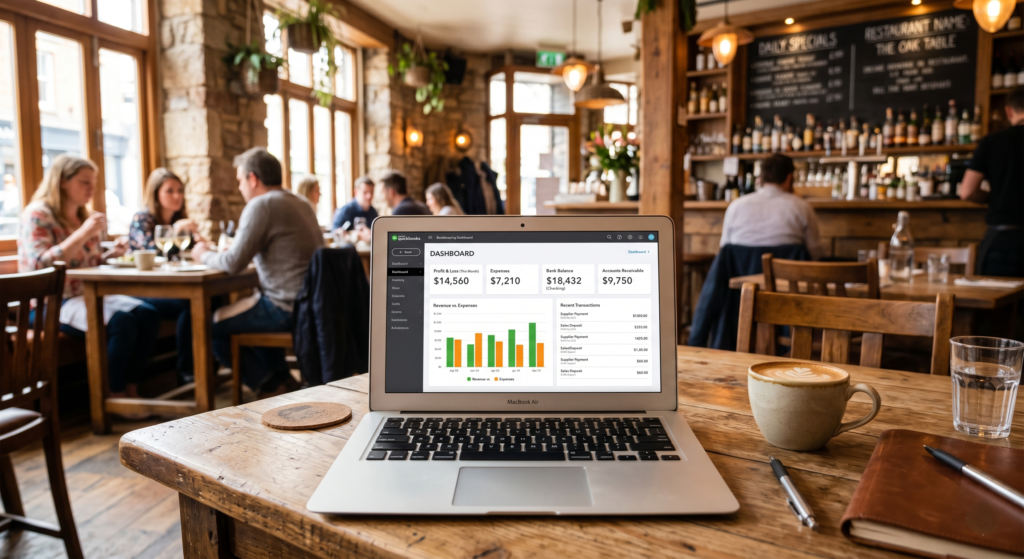
Modern bookkeeping solutions integrate with restaurant POS systems, payroll software, and inventory management platforms. This automation reduces human error and provides faster financial insights.
Cloud-based bookkeeping systems also allow restaurant owners to:
- Access reports anytime
- Monitor sales remotely
- Track expenses in real time
- Improve financial transparency
Final Thoughts
Food and labor costs are the backbone of restaurant profitability. Without proper monitoring, even busy restaurants can struggle financially. Accurate bookkeeping provides the visibility needed to control expenses, improve margins, and make informed business decisions.
Investing in professional restaurant bookkeeping services like Rescountant is not just about managing numbers—it’s about building a financially healthy restaurant that can grow and thrive in a competitive industry. Our expert Bookkeepers help you get back on track and feel in control again.
For further assistance visit our website and Book a Free Demo Now.
Contact Us For A Free Consultation