Many restaurant owners and operators have experienced the same frustrating scenario.
Sales are strong. Guests are happy. The dining room is busy. Managers feel like they’re running an efficient operation.
Then month-end arrives.
The restaurant profit and loss statement (P&L) tells a completely different story.
Food costs are higher than expected. Labor percentages seem off. Margins are shrinking despite healthy sales volumes. Suddenly, everyone is asking the same question:
“How can the operation feel successful while the P&L says otherwise?”
The truth is that a restaurant P&L is only as accurate as the data, systems, and processes feeding it. When accounting and operations become disconnected, financial reports stop reflecting reality.
In this article, we’ll explore the most common reasons why your restaurant financial reports don’t match what’s happening on the floor and how to bridge the gap.

Your Inventory Data Is Inaccurate
One of the biggest causes of discrepancies between operations and financial reporting is poor inventory management.
Many restaurants have hundreds or even thousands of inventory items. Over time, duplicate products, outdated SKUs, inconsistent vendor mappings, and incorrect unit conversions accumulate.
For example:
- Chicken breast listed under multiple vendor names
- Olive oil entered with different package descriptions
- Duplicate ingredients assigned different costs
- Inconsistent purchasing units versus recipe units
When inventory data is inaccurate, your food cost reporting becomes unreliable.
The kitchen may be operating efficiently, but your accounting system could be assigning incorrect costs to recipes and inventory usage.
Warning Signs:
- Food cost percentages fluctuate unexpectedly
- Theoretical and actual food costs never align
- Inventory counts consistently require adjustments
- Managers don’t trust inventory reports

Your Recipe Costing Doesn't Reflect Current Purchasing Costs
A recipe is only as accurate as the ingredient costs behind it.
Many restaurants create recipes once and rarely revisit them.
Meanwhile:
- Vendor prices increase
- Product substitutions occur
- Pack sizes change
- Purchasing habits evolve
As a result, your recipe costing may no longer represent actual production costs.
Your kitchen may be executing perfectly, but the restaurant P&L is calculating costs using outdated assumptions.
Regular recipe audits are essential to maintain accurate profitability reporting.

Labor Costs Are Being Misclassified
Labor is often the second-largest controllable expense in a restaurant.
Unfortunately, labor reporting can become distorted when payroll expenses are improperly allocated.
Examples include:
- Salaried managers assigned to incorrect departments
- Overtime expenses grouped incorrectly
- Payroll taxes not allocated consistently
- Benefits excluded from labor calculations
When labor data lacks consistency, operational managers may feel staffing levels are under control while financial reports suggest otherwise.
This creates confusion around true restaurant labor cost management.
Timing Differences Create False Performance Signals
Operations happen in real time.
Accounting happens on reporting cycles.
This timing difference often creates confusion.
For example:
- Vendor invoices arrive after month-end
- Inventory adjustments are posted later
- Payroll periods overlap reporting periods
- Utility expenses are accrued after the fact
As a result, a month’s restaurant financial performance may not accurately reflect what occurred operationally during that same period.
Without proper accrual accounting procedures, operators may feel disconnected from the numbers being reported.

Waste, Theft, and Variance Are Not Being Tracked Correctly
Many operators immediately blame food waste when costs increase.
However, waste is often overestimated as the primary cause.
Before investigating shrinkage, restaurants should evaluate:
- Inventory setup accuracy
- Vendor item mapping
- Recipe ingredient assignments
- Receiving procedures
- Count accuracy
In many cases, the issue isn’t operational waste—it’s poor data quality.
A restaurant can spend months addressing operational behaviors while overlooking system-level errors that are inflating reported costs.

Department Reporting Doesn't Match Operational Reality
Many multi-unit restaurants and restaurant groups struggle with departmental reporting structures.
For example:
- Catering revenue booked under dine-in sales
- Delivery fees classified inconsistently
- Shared labor assigned unevenly
- Corporate expenses allocated incorrectly
When reporting structures don’t reflect actual business operations, managers lose confidence in financial reporting.
A properly structured restaurant accounting system should mirror how the business actually operates.

Your Technology Stack Isn't Integrated Properly
Today’s restaurants rely on multiple systems:
- POS systems
- Inventory platforms
- Accounting software
- Scheduling tools
- Payroll systems
- Purchasing platforms
When integrations are incomplete or poorly configured, data discrepancies emerge.
Sales may reconcile correctly while inventory costs do not.
Labor systems may report one number while accounting reports another.
These integration gaps often explain why operational reality differs from financial reporting.

Managers Focus on Operations While Finance Focuses on Reports
This may be the most overlooked reason of all.
Operations teams focus on:
- Guest experience
- Staffing
- Throughput
- Food quality
- Service standards
Finance teams focus on:
- Margins
- Expense categories
- Accruals
- Cost allocations
- Financial statements
Both groups are looking at the same business through different lenses.
Without shared metrics and reporting standards, misalignment becomes inevitable.
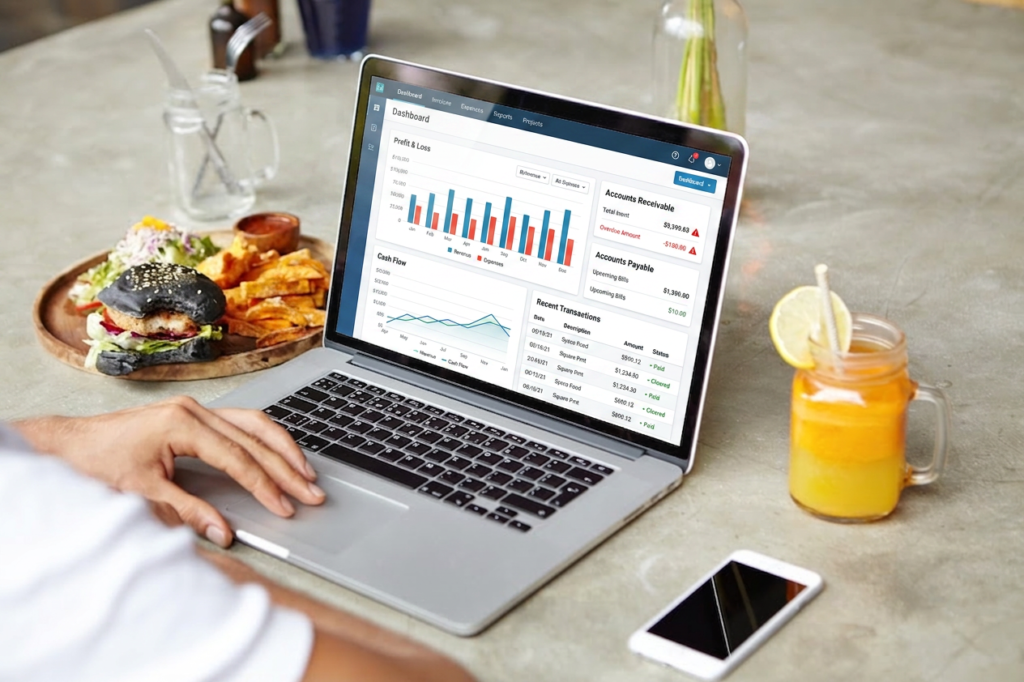
The solution is creating operational dashboards that connect daily activity to financial outcomes.
How to Align Your Restaurant P&L With Operations
If your restaurant P&L doesn’t match what you’re seeing in your business, focus on these areas first:
Audit Your Item Master
Remove duplicate inventory items and standardize vendor mappings.
Review Recipe Costing
Ensure ingredient costs reflect current purchasing data.
Validate Labor Allocations
Confirm payroll expenses are categorized correctly.
Improve Inventory Processes
Implement consistent receiving, counting, and adjustment procedures.
Reconcile Technology Systems
Verify integrations between POS, inventory, payroll, and accounting platforms.
Create Shared KPIs
Ensure finance and operations teams measure performance using the same definitions.
The Bottom Line
When operators say, “The numbers don’t feel right,” they’re often correct.
The issue isn’t always waste, theft, or poor performance.
More often, the disconnect comes from inaccurate inventory data, outdated costing structures, reporting inconsistencies, or poorly integrated systems.
A reliable restaurant P&L should tell the same story your operations team experiences every day.
If it doesn’t, the solution isn’t guessing.
It’s auditing the systems, processes, and data behind the numbers.
At Rescountant, we help restaurant operators identify the gaps between operational reality and financial reporting—so they can make decisions based on facts, not assumptions.
Contact Us For A Free Consultation