If you check your Google Search Console right now, you will find a common thread uniting restaurant owners across the United States: navigating high compliance stress. In an industry where inflation is putting pressure on prime costs and every percentage point matters, leaving money on the table during tax season isn’t an option.
But tax planning isn’t just an April event. It is a 365-day operational strategy.
To help you protect your hard-earned culinary margins, we have compiled the definitive guide on tax tips for restaurant owners, highlighting the massive federal compliance shifts and major restaurant tax deductions 2026 has brought to the table.
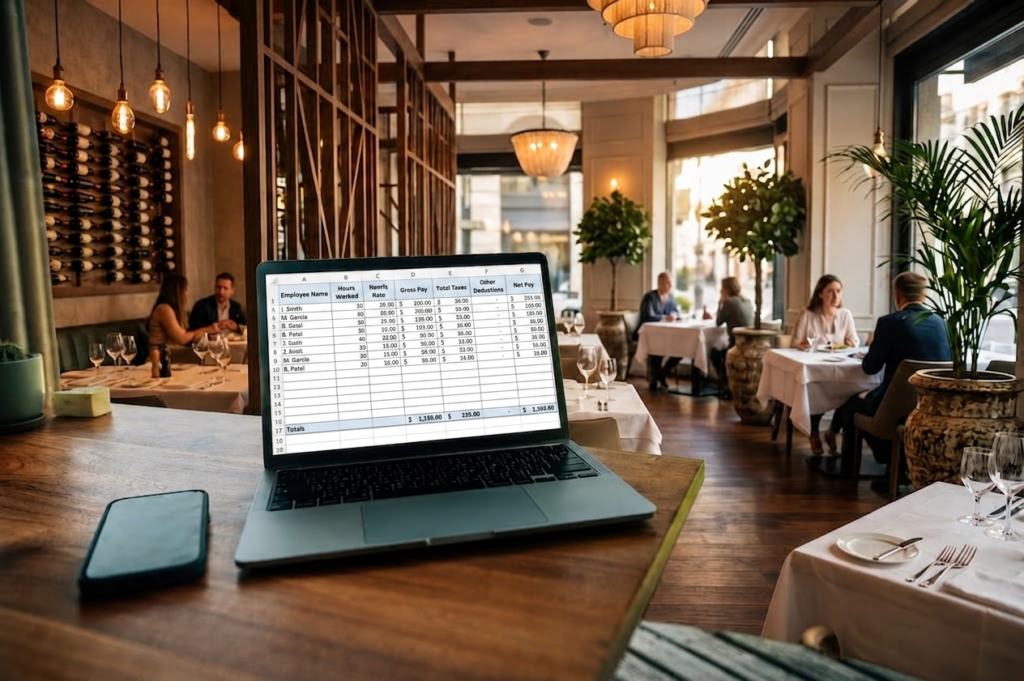
Master the 2026 "No Tax on Tips" Federal Regulations
Following the passage of the federal tip income exclusion, the IRS and U.S. Department of the Treasury have finalized the structural rules. While this is a massive retention win for front-of-house staff, it creates an intense reporting and payroll administrative burden for operators.
- The Core Rule: Eligible employees can now deduct up to $25,000 in qualified, voluntary tips from their federal taxable income.
- The 2026 Form Updates: Starting in the 2026 tax year, employers are strictly required to separately report qualified cash/credit tips on Form W-2, including a designated “tip occupation code”.
- The Payroll Catch: This deduction only applies to federal income tax. U.S. payroll taxes (Social Security and Medicare FICA) still fully apply to both the employer and employee shares. Furthermore, mandatory service charges (like automated 18% large-party gratuities) are classified as regular wages by the IRS and are completely excluded from this tax break.
Rescountant Tip: Work with your financial partner to audit your POS-to-payroll data pipeline. Your payroll software must be explicitly configured with distinct earnings codes that flag tips as federal-income-tax-exempt on Schedule 1-A while maintaining standard FICA tracking.

Maximize the Section 45B FICA Tip Credit
If your staff receives tips, you are likely overpaying your federal business taxes if you aren’t aggressively claiming the FICA Tip Credit (IRC Section 45B).
This credit allows U.S. restaurant owners to claim a dollar-for-dollar tax credit on the payroll taxes they pay on employee tip income that exceeds the federal minimum wage ($7.25 per hour).
Even with the “no tax on tips” individual income tax deduction, the 45B employer credit remains completely intact. If you aren’t keeping tight monthly workpapers matching your POS credit card tip batches against your payroll journals, you are essentially leaving thousands of dollars of free capital on the table.

Leverage Accelerated Depreciation (Section 179)
Did you replace a walk-in cooler, upgrade your HVAC, or overhaul your POS hardware this year? Don’t let those capital expenditures sit on your balance sheet slow-bleeding value over a multi-year schedule.
Under the current 2026 tax thresholds, the Section 179 equipment write off allows you to deduct up to $2,560,000 of qualifying equipment immediately in the tax year it was “placed in service”.
- Operational Warning: Staging a delivery does not count. If a new commercial oven is sitting in its crate in your dry storage warehouse on December 31st, it is not “placed in service” and cannot be deducted until the following year. Make sure your equipment is fully operational before the clock strikes midnight on New Year’s Eve.
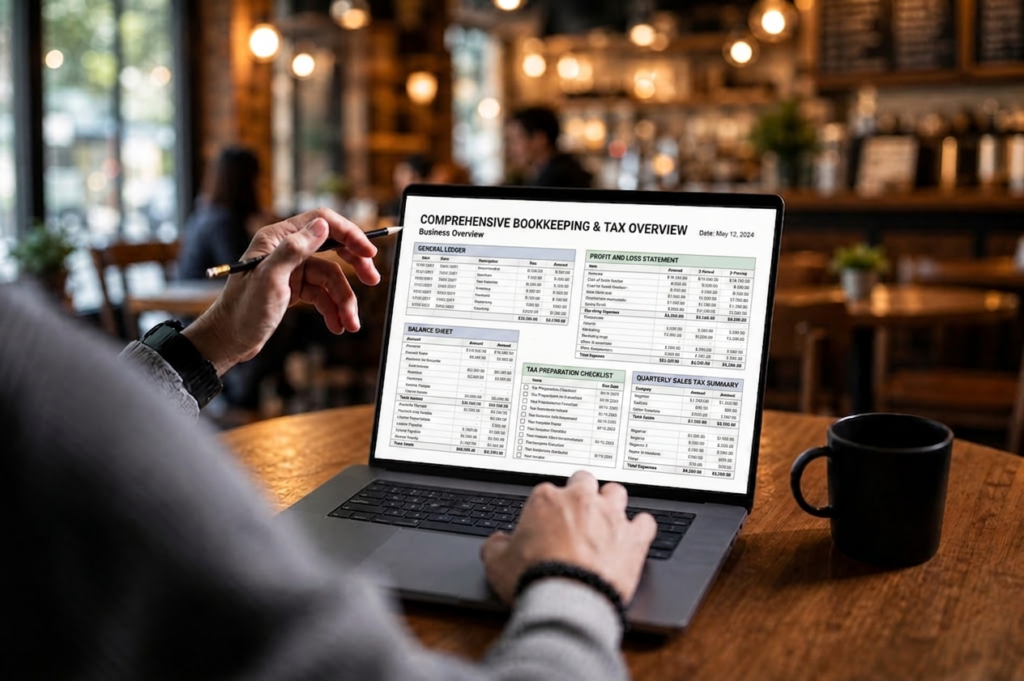
Ditch the "Autopsy" with Automated Restaurant Accounting
The ultimate tax strategy is clean, unassailable data. Blurring the lines between personal spending and business accounts, or letting your balance sheet sit unreconciled until March, is a direct invitation for a grueling IRS audit.
The fix is building a modern automated restaurant accounting infrastructure:
- Link your POS (like Toast) seamlessly with your U.S. accounting ledger (like QuickBooks Online).
- Set up daily consolidated sales journal mapping to track your food costs, state sales tax liabilities, and gift card cash floats automatically.
- Reconcile your daily credit card settlement batches against your commercial bank feeds.
When your bookkeeper or restaurant accountant can verify every single dollar flowing through your restaurant in real-time, tax season stops being a chaotic scramble and transforms into a minor administrative non-event.
Take Control of Your Restaurant's Wealth
The difference between a restaurant that scales and one that shutters in the U.S. market is rarely the food—it’s the financial control behind the line. Navigating local sales tax jurisdictions, federal tip compliance, and corporate structuring requires industry-specific financial strategy.
Ready to stop overpaying the IRS and optimize your kitchen’s cash flow?
Schedule a Strategy Consultation with Rescountant Today — Let’s audit your restaurant’s tech stack, maximize your 2026 deductions, and build a frictionless back office engineered for profit.
Contact Us For A Free Consultation