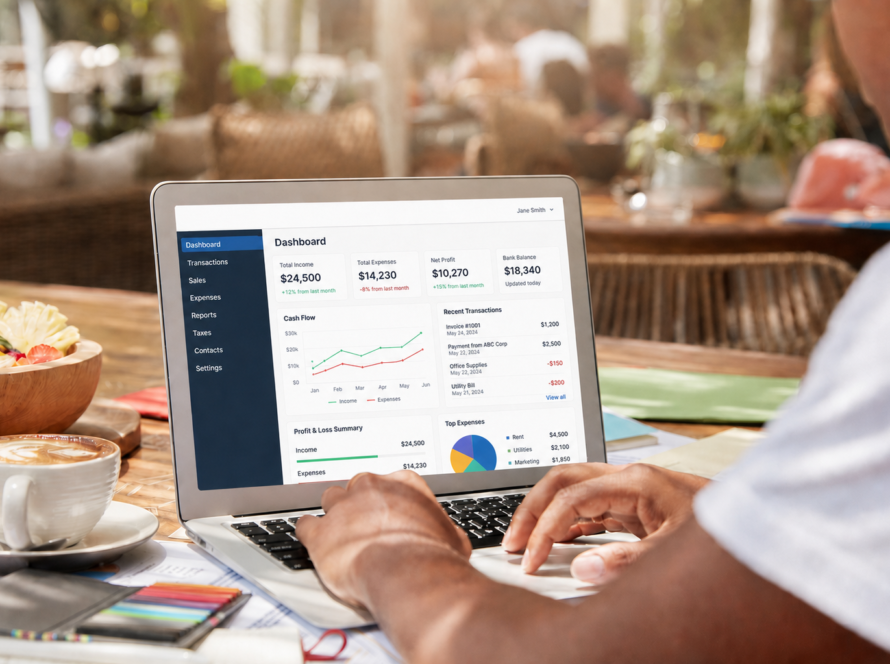
Running a restaurant is fast-paced, complex, and detail-heavy—especially when it comes to finances. Yet many restaurants still rely on manual bookkeeping methods that can’t keep up with the daily volume of transactions. The result? Errors, inefficiencies, and missed opportunities.
Let’s break down the real problems restaurants face without automation—and how automated bookkeeping for restaurants provides a powerful, modern solution.

The Real Problems Faced by Restaurants Without Automated Bookkeeping
1. Overwhelming Volume of Transactions
Restaurants process dozens—sometimes hundreds—of transactions daily. From sales and vendor invoices to payroll and inventory, keeping track manually becomes chaotic. Even a small oversight can disrupt financial accuracy.
2. Constant Risk of Human Error
Manual data entry increases the chances of mistakes in calculations, categorization, and reporting. These errors can lead to inaccurate financial statements and poor decision-making.
3. Time Drain on Staff and Owners
Bookkeeping tasks like reconciling accounts, tracking expenses, and managing invoices consume valuable hours. Instead of focusing on customers or growth, teams get stuck in repetitive admin work.
4. Lack of Real-Time Financial Visibility
Without automation, financial reports are often delayed. This means restaurant owners are making decisions based on outdated data rather than current performance.
5. Inventory and Cost Control Issues
Manual bookkeeping makes it difficult to track food costs, detect waste, or manage stock efficiently—directly impacting profitability.
6. Compliance and Security Risks
Handling taxes, payroll, and compliance manually increases the risk of penalties. Additionally, paper-based or outdated systems lack proper data security measures.
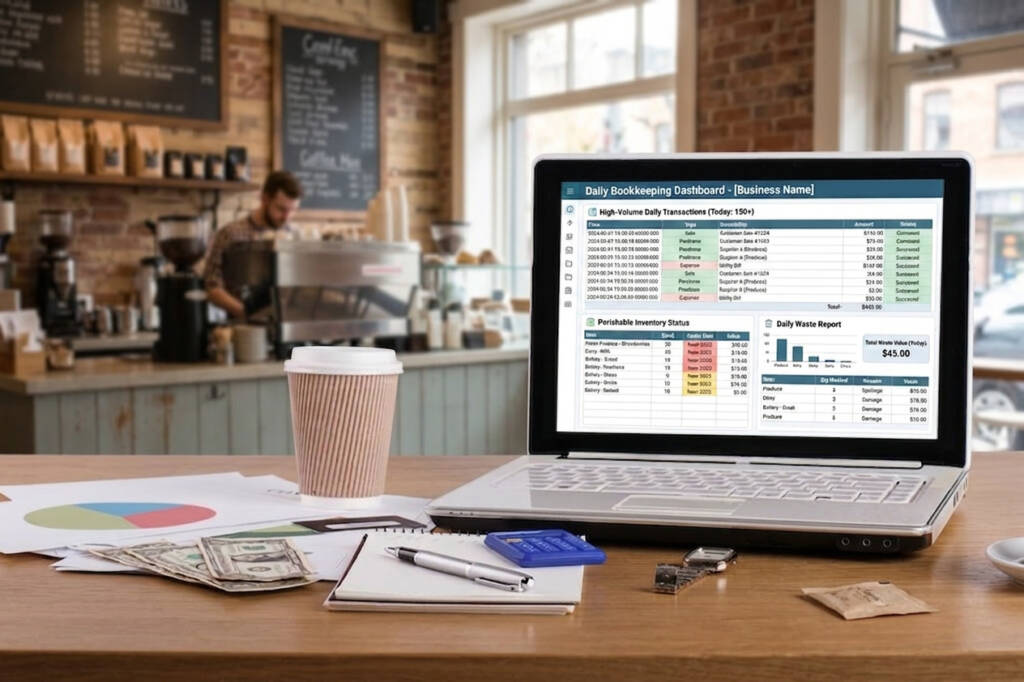
The Solution: Automated Bookkeeping for Restaurants
Automated bookkeeping for restaurants addresses these challenges by streamlining financial processes and introducing accuracy, speed, and control.
1. Automation Eliminates Manual Work
Automated systems record transactions, process invoices, and categorize expenses instantly. This reduces repetitive tasks and frees up time for strategic work.
2. Improved Accuracy and Reliability
Automation minimizes human involvement in calculations, ensuring consistent and precise financial records. This leads to better reporting and smarter decisions.
3. Real-Time Financial Insights
With automated bookkeeping for restaurants, you gain access to live dashboards and reports. This allows you to track cash flow, monitor performance, and respond quickly to changes.
4. Seamless Integration with POS and Other Systems
Modern solutions integrate with POS systems, payroll tools, and inventory software—creating a unified financial ecosystem where data flows automatically.
5. Smarter Inventory and Vendor Management
Automation helps track inventory usage, manage supplier invoices, and even identify cost-saving opportunities through data insights.
6. Enhanced Security and Compliance
Automated bookkeeping systems use secure technologies and ensure compliance with financial regulations, reducing risks and protecting sensitive data.

Key Benefits of Automated Bookkeeping for Restaurants
Adopting automated bookkeeping for restaurants is more than just a tech upgrade—it’s a strategic advantage.
- Save Time: Automate repetitive financial tasks and reduce admin workload
- Reduce Costs: Lower labor costs and minimize costly errors
- Increase Accuracy: Maintain clean, reliable financial records
- Boost Profitability: Gain insights into food costs, labor, and margins
- Scale Easily: Handle growing transaction volumes without added complexity
- Make Better Decisions: Use real-time data to guide business strategy
Automation can even save hours weekly and significantly improve operational efficiency, allowing restaurant teams to focus on growth instead of paperwork.
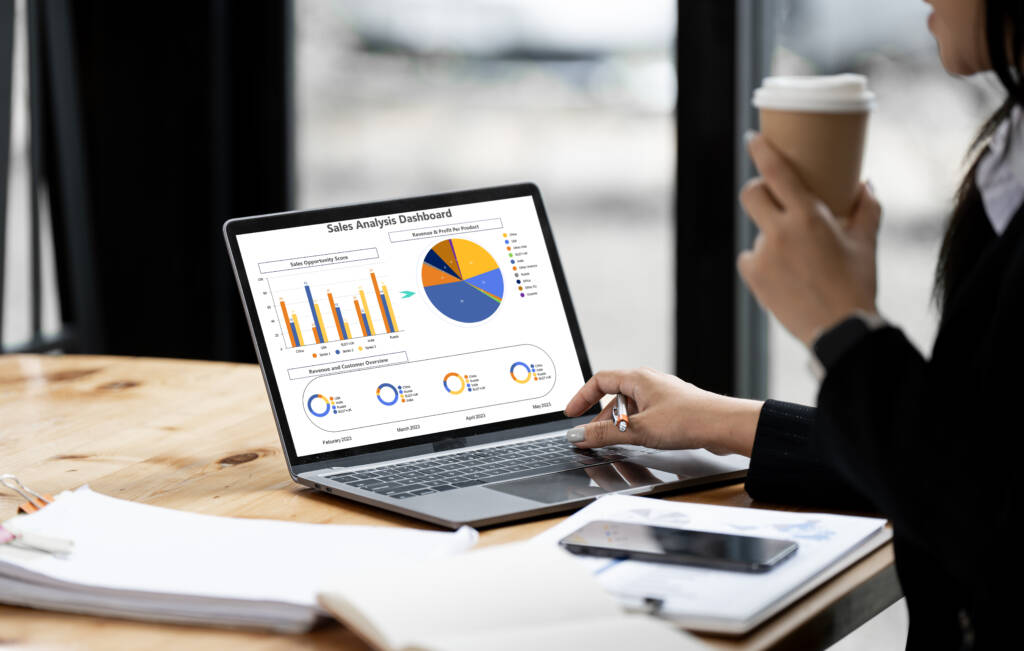
Why Restaurants Can’t Ignore Automation Anymore
The restaurant industry operates on thin margins and tight competition. Delayed insights, inaccurate data, and inefficient processes can quickly eat into profits.
Automated bookkeeping for restaurants provides the clarity and control needed to stay competitive. It transforms bookkeeping from a reactive task into a proactive business tool—helping you anticipate challenges and seize opportunities.
Ready to Simplify Your Restaurant Finances?
If you’re still relying on spreadsheets or manual processes, it’s time to rethink your approach. Automated bookkeeping for restaurants is no longer optional—it’s essential for efficiency, accuracy, and growth.
Rescountant is built specifically for restaurants looking to modernize their financial management. From real-time reporting to seamless integrations and automated workflows, it helps you take full control of your books—without the stress.
👉 Start using Rescountant today and experience the power of automated bookkeeping for restaurants.
Contact Us For A Free Consultation